PUBLIC FIGURES / MODEL V3.0
Public figures: sources & model
The library below contains all 24 reference profiles, including the optional longer-route additions. Each has four editorial values (right pole, 0–100), explanations and source links. Their presence here is independent of quiz rewards, so the model remains transparent. Dates refer to selected public positions, not to the photograph date. Government and campaign statements document their positions, not independently verified policy effects.
The 36-question route compares 16 profiles. Finishing 60 questions adds four, giving 20; finishing 240 adds another four, giving 24, including the 60-question bonus. A card requires valid responses on at least eight axes, including all four comparison axes: economy, work, civil liberties and social change. Every available figure uses these same axes and equal weights. Similarity = round(100 − mean absolute distance), without a boost. The other eight axes describe you but do not rank figures. You can continue a completed shorter route, keeping its answers and adding only the remaining questions.
Rubric: 0–20 strongly toward the left pole; 25–40 mostly left; 45–55 mixed; 60–75 mostly right; 80–100 strongly right. These are editorial bands. Conflicting positions are described explicitly; a midpoint must not be read as proof of neutrality.
The complete library has 24 public figures from different countries and periods. A result means the closest in your selected route’s pool, not the closest person in the world. Bonus figures are additional editorial references, not superior rewards or guaranteed top matches. Different pools can change rankings even with similar answers. Five-point reference values interpret selected public materials; sources do not establish exact numbers, scientific validity or personal identity. Neither the figures nor the original 12axes project endorse this test.
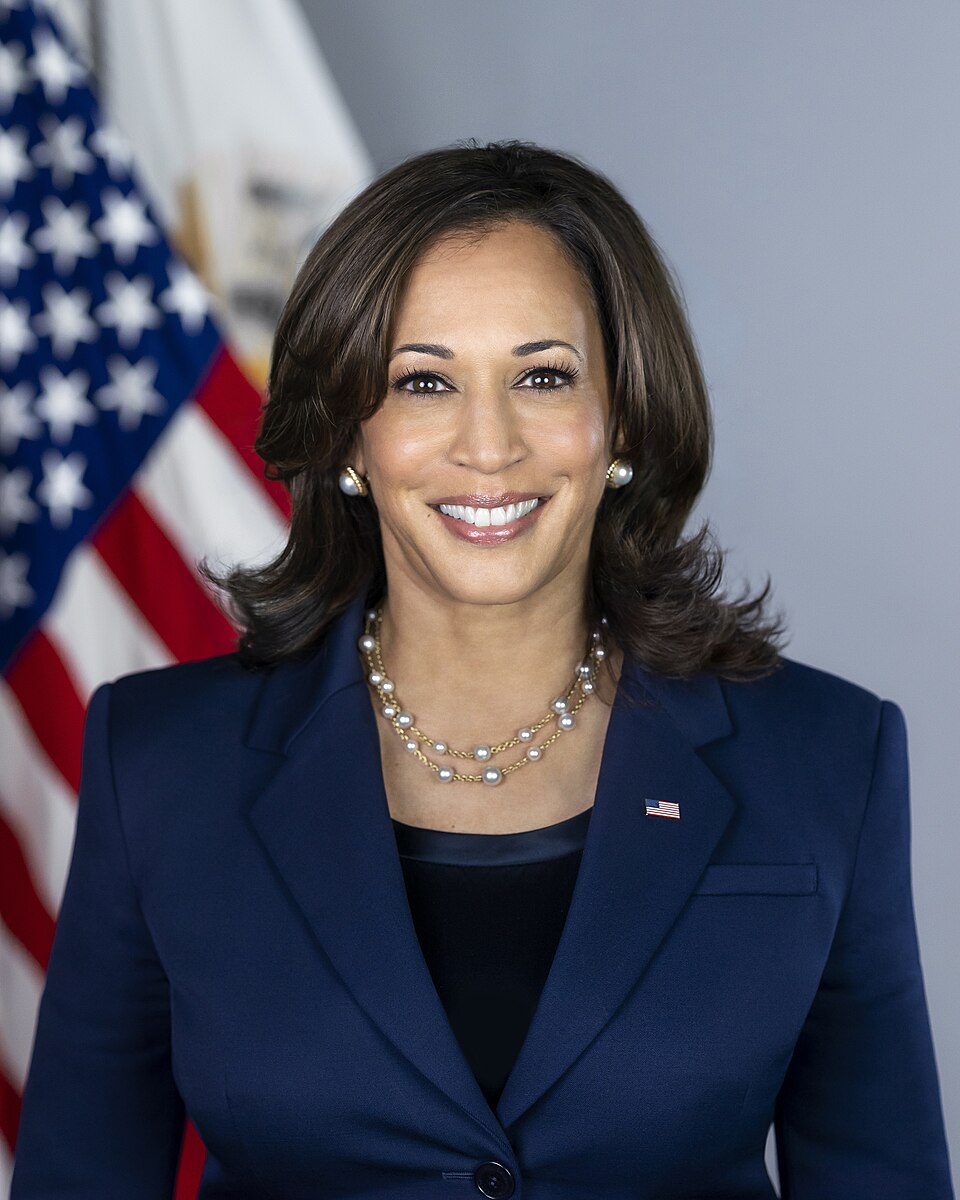
US / 2024 snapshot · 60+
Kamala Harris
Combines enterprise and competition with public support for healthcare and housing. Presents workers and organized labor as partners in economic development.
- EconomyRedistribution ← 0 / 100 → Free market
- 35
- WorkCollective protection ← 0 / 100 → Flexibility
- 30
- Civil libertiesIndividual autonomy ← 0 / 100 → Public order
- 15
- Social changeTransformation ← 0 / 100 → Continuity
- 20
Why this position?
- Economy: Combines enterprise and competition with public support for healthcare and housing. [1]
- Work: Presents workers and organized labor as partners in economic development. [1]
- Civil liberties: Defends reproductive choice and voting freedoms. [1]
- Social change: Calls for expanding rights while retaining constitutional institutions. [1]
- Democratic nomination acceptance address · 2024-08-22
Portraits are cropped; no endorsement. Source and license: Kamala Harris Vice Presidential Portrait.jpg · Lawrence Jackson / White House · Public domain.

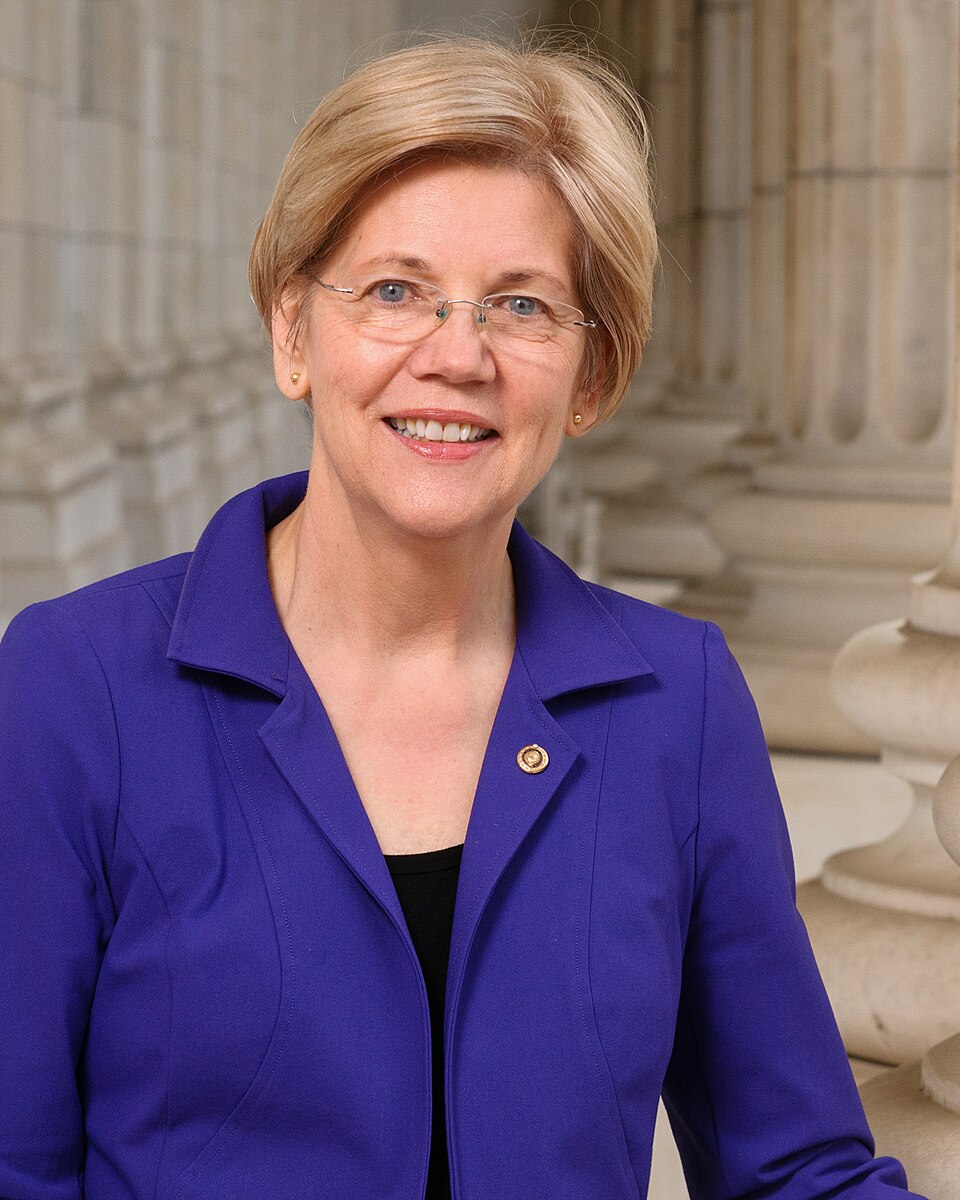
US / 2019–2020 campaign snapshot · 60+
Elizabeth Warren
Seeks to shift income and corporate decision-making power toward working people. Supports collective bargaining, strike rights and stronger employment guarantees.
- EconomyRedistribution ← 0 / 100 → Free market
- 20
- WorkCollective protection ← 0 / 100 → Flexibility
- 10
- Civil libertiesIndividual autonomy ← 0 / 100 → Public order
- 20
- Social changeTransformation ← 0 / 100 → Continuity
- 15
Why this position?
- Economy: Seeks to shift income and corporate decision-making power toward working people. [1]
- Work: Supports collective bargaining, strike rights and stronger employment guarantees. [1]
- Civil liberties: Proposes stronger legal protection against discrimination based on identity. [2]
- Social change: Proposes expanding recognition and equal treatment for LGBTQ+ people. [2]
- Empowering American Workers · Campaign plan; checked 2026-10-30
- Securing LGBTQ+ Rights and Equality · Campaign plan; checked 2026-10-30
Portraits are cropped; no endorsement. Source and license: Elizabeth Warren, official portrait, 114th Congress.jpg · United States Senate · Public domain.

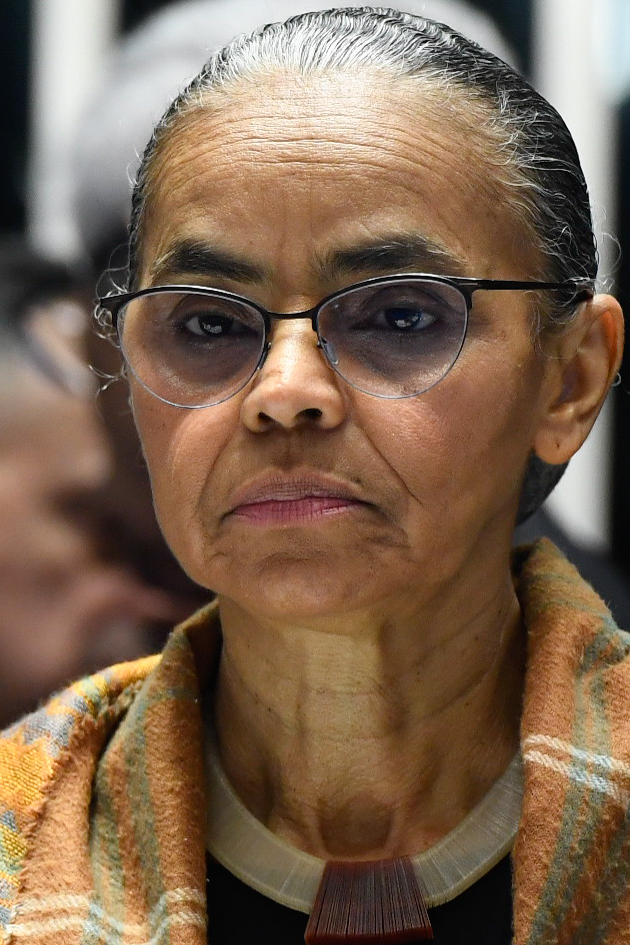
BR / 2018 campaign snapshot · 60+
Marina Silva
Combines social inclusion and public services with enterprise and reduced bureaucracy. Pairs worker self-management and solidarity enterprises with entrepreneurship: a mixed estimate, not a full labor-law record.
- EconomyRedistribution ← 0 / 100 → Free market
- 45
- WorkCollective protection ← 0 / 100 → Flexibility
- 45
- Civil libertiesIndividual autonomy ← 0 / 100 → Public order
- 25
- Social changeTransformation ← 0 / 100 → Continuity
- 35
Why this position?
- Economy: Combines social inclusion and public services with enterprise and reduced bureaucracy. [1]
- Work: Pairs worker self-management and solidarity enterprises with entrepreneurship: a mixed estimate, not a full labor-law record. [1]
- Civil liberties: Explicitly commits to freedom of expression and protections for minority rights. [1]
- Social change: Proposes new inclusion policies while preserving cultural heritage and democratic institutions. [1]
Portraits are cropped; no endorsement. Source and license: Marina Silva 2024 (cropped).jpg · Agência Senado · CC BY 2.0.


AR / 1984 snapshot · 60+
Raúl Alfonsín
Prioritizes recovery, wages and social provision within a mixed economy. Recognizes organized workers and advocates democratic labor institutions.
- EconomyRedistribution ← 0 / 100 → Free market
- 35
- WorkCollective protection ← 0 / 100 → Flexibility
- 20
- Civil libertiesIndividual autonomy ← 0 / 100 → Public order
- 20
- Social changeTransformation ← 0 / 100 → Continuity
- 35
Why this position?
- Economy: Prioritizes recovery, wages and social provision within a mixed economy. [1]
- Work: Recognizes organized workers and advocates democratic labor institutions. [1]
- Civil liberties: Centers restored constitutional freedoms and the rule of law after dictatorship. [1]
- Social change: Seeks democratic institutional reform with continuity of the constitutional order. [1]
- Address to the Legislative Assembly · 1984-05-01
Portraits are cropped; no endorsement. Source and license: Raúl Alfonsín con banda presidencial (cropped).jpg · Presidencia de la Nación Argentina · CC BY 2.5 ar.

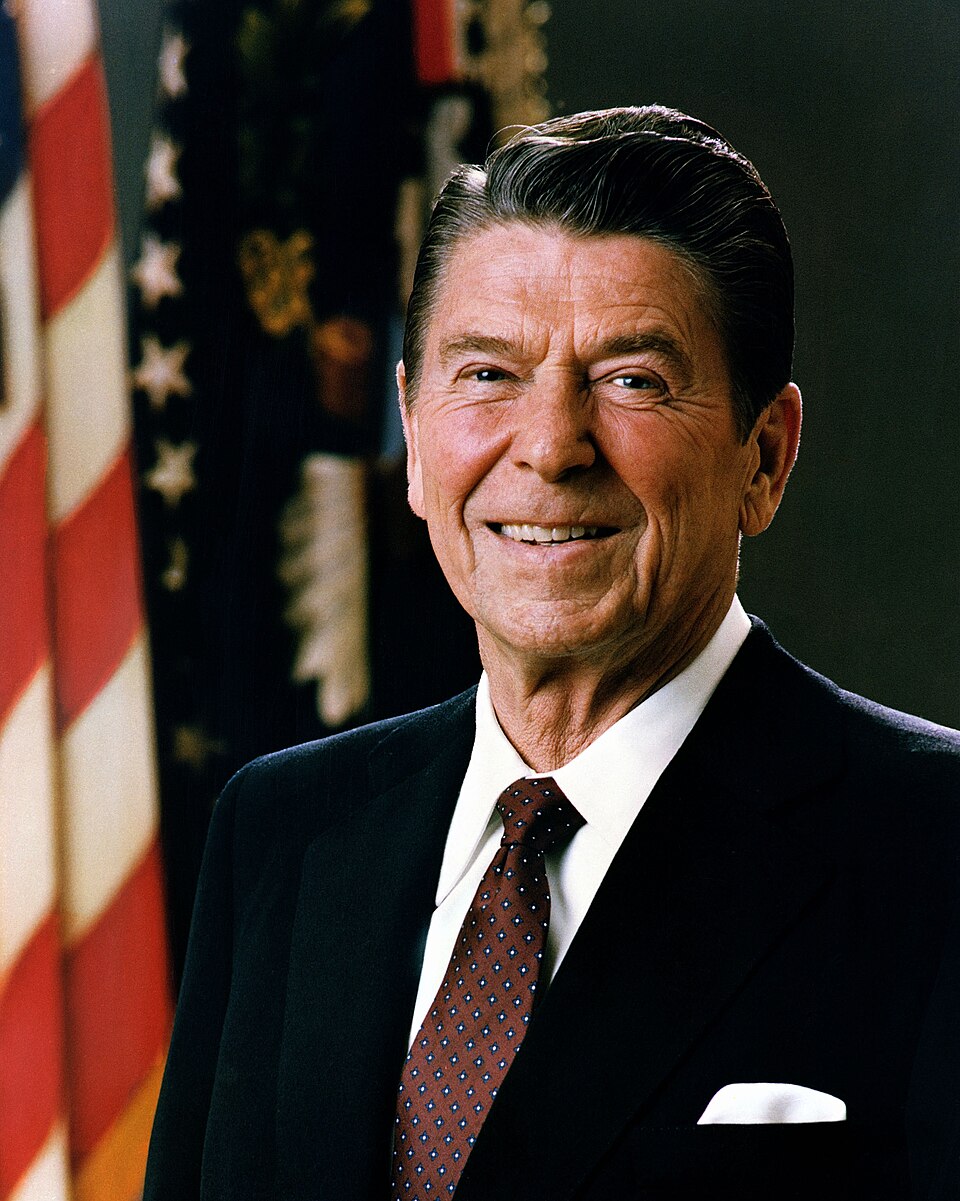
US / 1981–1983 snapshot · 240
Ronald Reagan
Favors lower taxes and a smaller economic role for government. Limits a federal-sector strike on statutory grounds; this is a selected labor case, not a claim about every union.
- EconomyRedistribution ← 0 / 100 → Free market
- 90
- WorkCollective protection ← 0 / 100 → Flexibility
- 80
- Civil libertiesIndividual autonomy ← 0 / 100 → Public order
- 65
- Social changeTransformation ← 0 / 100 → Continuity
- 85
Why this position?
- Economy: Favors lower taxes and a smaller economic role for government. [1]
- Work: Limits a federal-sector strike on statutory grounds; this is a selected labor case, not a claim about every union. [2]
- Civil liberties: Combines religious-expression protections with restrictions on reproductive autonomy: a mixed rights record. [3]
- Social change: Explicitly promotes inherited religious and family values. [3]
- First inaugural address · 1981-01-20
- Air traffic controllers strike remarks · 1981-08-03
- National Association of Evangelicals remarks · 1983-03-08
Portraits are cropped; no endorsement. Source and license: Official Portrait of President Reagan 1981.jpg · Michael Evans / White House · Public domain.

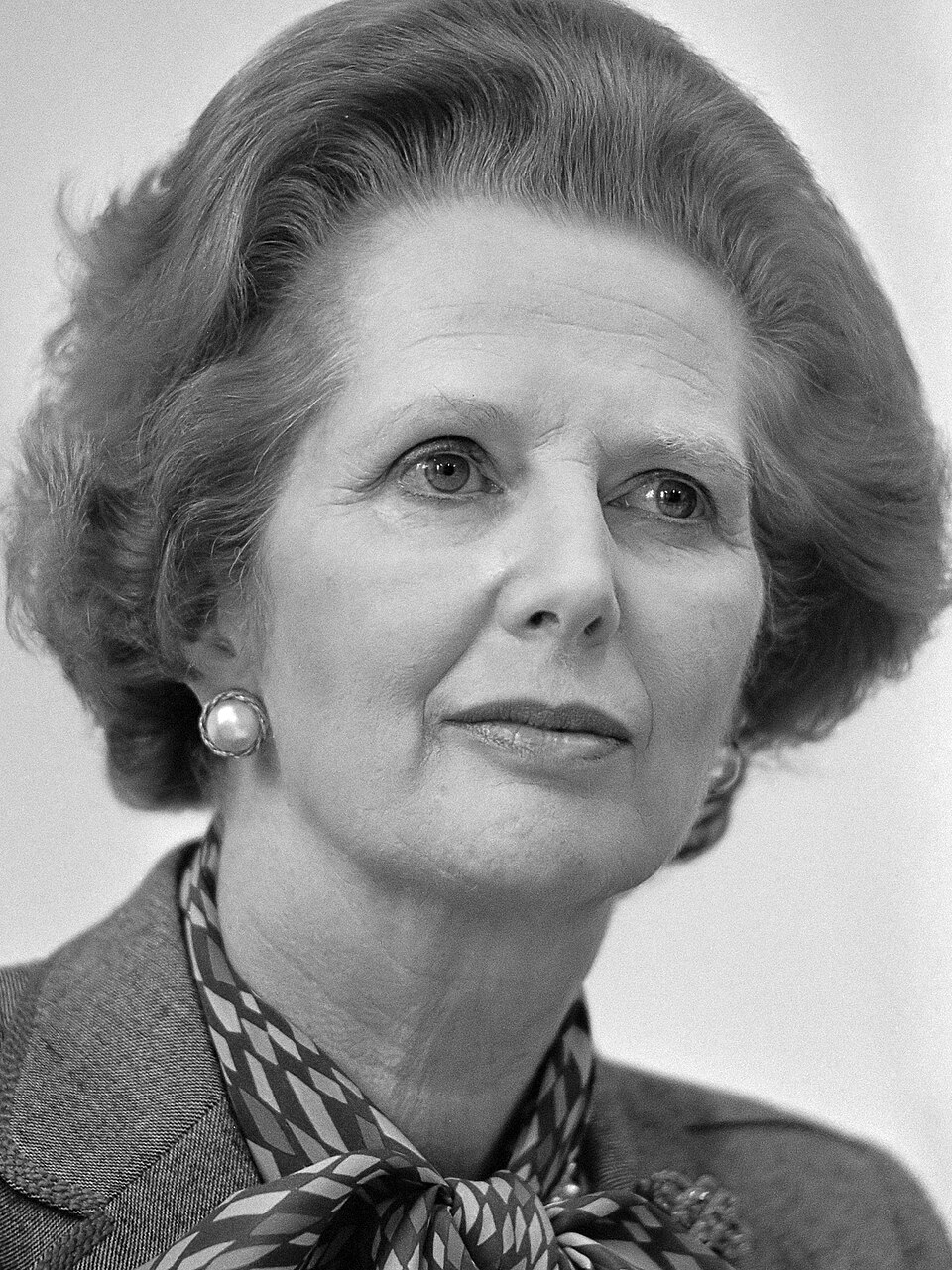
UK / 1979 manifesto snapshot · 240
Margaret Thatcher
Prioritizes lower income tax, private ownership and limits on nationalization. Proposes limits on closed shops and picketing alongside individual bargaining freedoms.
- EconomyRedistribution ← 0 / 100 → Free market
- 95
- WorkCollective protection ← 0 / 100 → Flexibility
- 85
- Civil libertiesIndividual autonomy ← 0 / 100 → Public order
- 70
- Social changeTransformation ← 0 / 100 → Continuity
- 80
Why this position?
- Economy: Prioritizes lower income tax, private ownership and limits on nationalization. [1]
- Work: Proposes limits on closed shops and picketing alongside individual bargaining freedoms. [1]
- Civil liberties: Emphasizes law enforcement and deterrence, alongside freedom under the law. [1]
- Social change: Emphasizes family, parental responsibility and established national institutions. [1]
- Conservative General Election Manifesto · 1979-04-11
Portraits are cropped; no endorsement. Source and license: Margaret Thatcher (1983) (cropped).jpg · Rob Bogaerts / Anefo · CC0.


UY / 2013–2015 policy snapshot · 240
José Mujica
Expands public housing and services within a mixed economy. Defends the right of union action while cautioning against narrow corporate interests.
- EconomyRedistribution ← 0 / 100 → Free market
- 25
- WorkCollective protection ← 0 / 100 → Flexibility
- 15
- Civil libertiesIndividual autonomy ← 0 / 100 → Public order
- 10
- Social changeTransformation ← 0 / 100 → Continuity
- 5
Why this position?
- Economy: Expands public housing and services within a mixed economy. [2]
- Work: Defends the right of union action while cautioning against narrow corporate interests. [1]
- Civil liberties: His government enacted equal-marriage and reproductive-rights reforms. [2]
- Social change: Supports substantial legal change on previously restricted personal choices. [2]
- Trade-union rights and limits · 2013-06-18
- Presidency retrospective on policy record · 2025-05-13
Portraits are cropped; no endorsement. Source and license: Mujica.jpg · Senado Federal · CC BY 2.0.

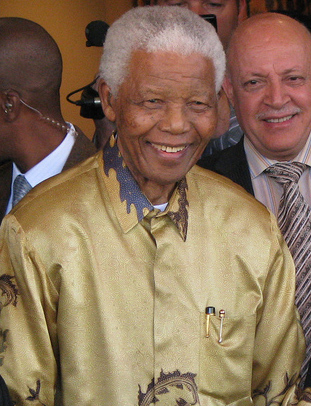
ZA / 1994 snapshot · 240
Nelson Mandela
Pairs reconstruction and redistribution with investment and a mixed economy. Supports organized labor and tripartite cooperation in labor-law reform.
- EconomyRedistribution ← 0 / 100 → Free market
- 30
- WorkCollective protection ← 0 / 100 → Flexibility
- 25
- Civil libertiesIndividual autonomy ← 0 / 100 → Public order
- 10
- Social changeTransformation ← 0 / 100 → Continuity
- 20
Why this position?
- Economy: Pairs reconstruction and redistribution with investment and a mixed economy. [1]
- Work: Supports organized labor and tripartite cooperation in labor-law reform. [1]
- Civil liberties: Commits to equal citizenship and civil rights after apartheid. [1]
- Social change: Advocates a fundamental transformation toward a nonracial democratic society. [1]
- State of the Nation address, original transcript · 1994-05-24
Portraits are cropped; no endorsement. Source and license: Nelson Mandela-2008.jpg · South Africa The Good News · CC BY 2.0.

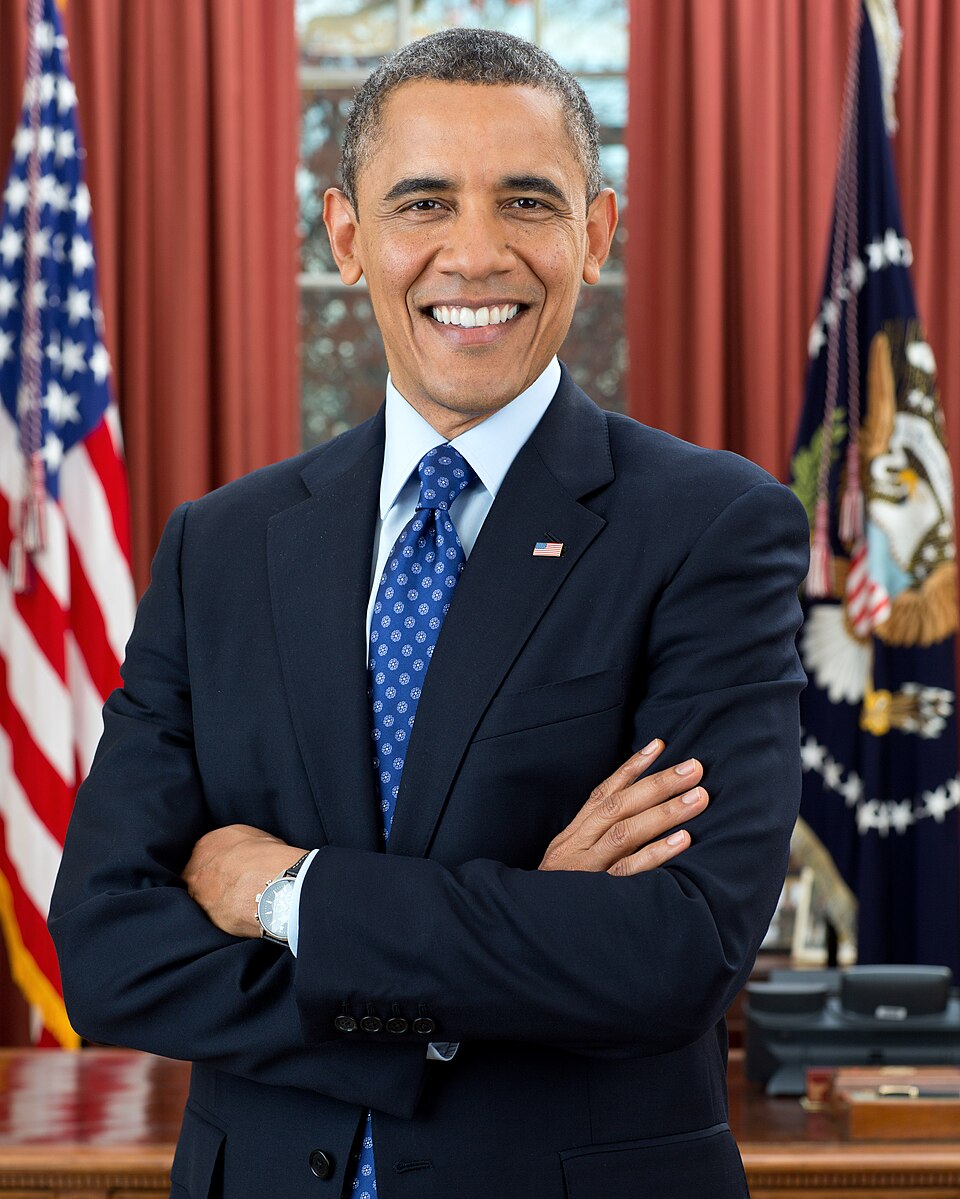
US / 2015–2017 snapshot · 36+
Barack Obama
A market economy with redistribution and worker protections, alongside marriage equality and civil rights.
- EconomyRedistribution ← 0 / 100 → Free market
- 35
- WorkCollective protection ← 0 / 100 → Flexibility
- 25
- Civil libertiesIndividual autonomy ← 0 / 100 → Public order
- 25
- Social changeTransformation ← 0 / 100 → Continuity
- 20
Why this position?
- Economy: Combines markets with a safety net and progressive taxation. [1]
- Work: Argues for stronger unions and wages. [1]
- Civil liberties: Frames equal marriage as an individual civil right. [2]
- Social change: Supports extending marriage rights to same-sex couples. [2]
- Farewell address · 2017-01-10
- Remarks on marriage equality · 2015-06-26
Portraits are cropped; no endorsement. Source and license: President Barack Obama.jpg · Pete Souza / White House · Public domain.


US / 2025 snapshot · 36+
Donald Trump
Deregulation and labor-rule flexibility, combined with an emphasis on public order and traditional social categories.
- EconomyRedistribution ← 0 / 100 → Free market
- 80
- WorkCollective protection ← 0 / 100 → Flexibility
- 80
- Civil libertiesIndividual autonomy ← 0 / 100 → Public order
- 75
- Social changeTransformation ← 0 / 100 → Continuity
- 90
Why this position?
- Economy: Supports reducing economic regulation; tariffs are a countervailing intervention. [2]
- Work: Administration proposes removing workplace rules; a proposal is not proof of implementation. [2]
- Civil liberties: Prioritizes border enforcement and public order, while also declaring support for free expression. [1]
- Social change: Announces a binary-sex policy and restoration of traditional institutions. [1]
- Inaugural address · 2025-01-20
- Labor Department deregulatory proposals · 2025-07-01
Portraits are cropped; no endorsement. Source and license: Donald Trump official portrait.jpg · Shealah Craighead / White House · Public domain.

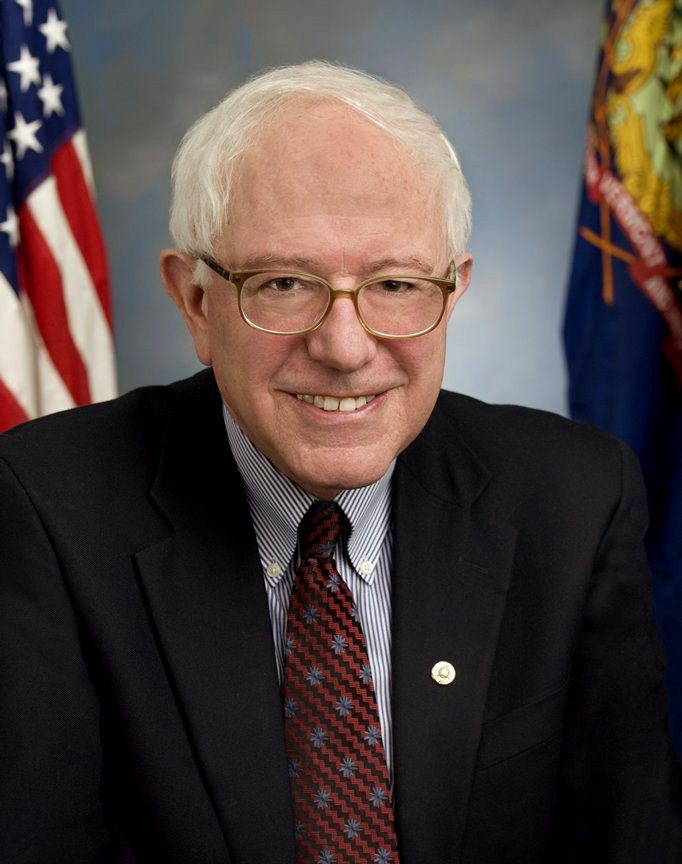
US / Issues page · checked 2026 · 36+
Bernie Sanders
Redistribution, universal public services, collective bargaining and expanded civil rights.
- EconomyRedistribution ← 0 / 100 → Free market
- 10
- WorkCollective protection ← 0 / 100 → Flexibility
- 5
- Civil libertiesIndividual autonomy ← 0 / 100 → Public order
- 20
- Social changeTransformation ← 0 / 100 → Continuity
- 15
Why this position?
- Economy: Advocates progressive taxation and universal healthcare. [1]
- Work: Explicitly supports union organizing and collective bargaining. [1]
- Civil liberties: Supports civil-rights protections against discrimination. [1]
- Social change: Calls for structural changes to inequality and expanded rights for marginalized groups. [1]
- Senate issues overview · Checked 2026-10-30
Portraits are cropped; no endorsement. Source and license: Bernie Sanders.jpg · US Congress · Public domain.

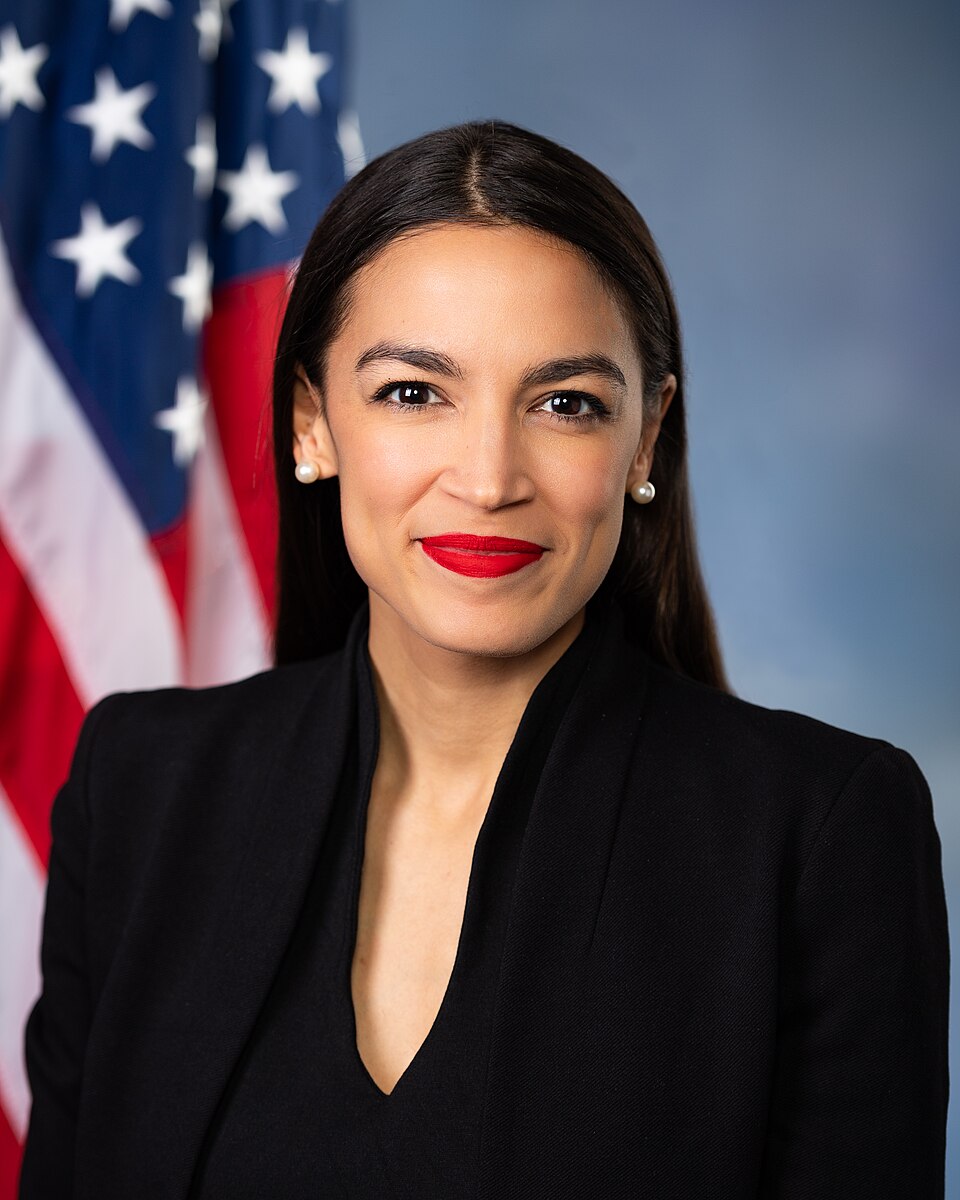
US / Platform · checked 2026 · 36+
Alexandria Ocasio-Cortez
Public healthcare and housing, stronger unions, and substantial changes to civil-rights and public-safety policy.
- EconomyRedistribution ← 0 / 100 → Free market
- 10
- WorkCollective protection ← 0 / 100 → Flexibility
- 10
- Civil libertiesIndividual autonomy ← 0 / 100 → Public order
- 10
- Social changeTransformation ← 0 / 100 → Continuity
- 5
Why this position?
- Economy: Calls for Medicare for All and public investment in housing. [1]
- Work: Calls for rebuilding unions and a federal jobs guarantee. [1]
- Civil liberties: Supports reproductive and LGBTQIA+ rights and alternatives to mass incarceration. [1]
- Social change: Proposes substantial institutional reform, including immigration and environmental policy. [1]
- Campaign platform (undated) · Checked 2026-10-30
Portraits are cropped; no endorsement. Source and license: Alexandria Ocasio-Cortez Official Portrait.jpg · Franmarie Metzler / US House · Public domain.


US / 2026 snapshot · 36+
Zohran Mamdani
Public childcare and services, enforcement of worker protections, and explicit LGBTQIA+ protections.
- EconomyRedistribution ← 0 / 100 → Free market
- 15
- WorkCollective protection ← 0 / 100 → Flexibility
- 10
- Civil libertiesIndividual autonomy ← 0 / 100 → Public order
- 15
- Social changeTransformation ← 0 / 100 → Continuity
- 10
Why this position?
- Economy: Expands publicly provided childcare; evidence is municipal, not a complete national program. [1]
- Work: Enforces paid-leave and scheduling protections. [2]
- Civil liberties: Creates an office for LGBTQIA+ affairs and rights protection. [3]
- Social change: Institutionalizes expanded protections for historically marginalized identities. [3]
- Free childcare pilot · 2026-03-30
- Worker protection enforcement · 2026-07-06
- Executive Order 14 · 2026-03-13
Portraits are cropped; no endorsement. Source and license: Zohran Mamdani at the White House (cropped).jpg · White House · Public domain.


BR / 2023–2024 snapshot · 36+
Luiz Inácio Lula da Silva
Social investment and labor protections, with policies for equality and democratic institutions.
- EconomyRedistribution ← 0 / 100 → Free market
- 20
- WorkCollective protection ← 0 / 100 → Flexibility
- 15
- Civil libertiesIndividual autonomy ← 0 / 100 → Public order
- 30
- Social changeTransformation ← 0 / 100 → Continuity
- 25
Why this position?
- Economy: Advocates state action and social investment to reduce inequality. [1]
- Work: Emphasizes labor rights and social dialogue. [1]
- Civil liberties: Promises state support for equal rights of women, Black and Indigenous people and disabled people. [2]
- Social change: Reintroduces equality-oriented institutions; not an estimate of private beliefs. [2]
- Global Coalition for Social Justice speech · 2024-06-13
- Presidential message to Congress · 2023-02-02
Portraits are cropped; no endorsement. Source and license: Foto oficial do Presidente da República Luiz Inácio Lula da Silva.jpg · Ricardo Stuckert / PR · CC BY 2.0.


BR / 2019 snapshot · 36+
Jair Bolsonaro
Market-oriented reform, a smaller regulatory state, public-security priorities and traditional family values.
- EconomyRedistribution ← 0 / 100 → Free market
- 85
- WorkCollective protection ← 0 / 100 → Flexibility
- 75
- Civil libertiesIndividual autonomy ← 0 / 100 → Public order
- 85
- Social changeTransformation ← 0 / 100 → Continuity
- 95
Why this position?
- Economy: Defends economic opening and a market-oriented state. [2]
- Work: Approves simpler employment records and more flexible time-recording rules. [2]
- Civil liberties: Places public security and authority at the center of the address. [1]
- Social change: Explicitly emphasizes traditional family and cultural values. [1]
- Inauguration speech · 2019-01-01
- Economic Freedom Law enacted · 2019-09-20
Portraits are cropped; no endorsement. Source and license: Jair Bolsonaro 2019 Portrait (3x4 cropped center).jpg · Isac Nóbrega / PR · CC BY 2.0.


BR / 2015 snapshot · 36+
Dilma Rousseff
Social services and labor guarantees alongside constitutional freedoms and equal rights.
- EconomyRedistribution ← 0 / 100 → Free market
- 25
- WorkCollective protection ← 0 / 100 → Flexibility
- 20
- Civil libertiesIndividual autonomy ← 0 / 100 → Public order
- 25
- Social changeTransformation ← 0 / 100 → Continuity
- 30
Why this position?
- Economy: Combines social-service expansion with fiscal and inflation constraints. [1]
- Work: Defends preserving workers’ rights and minimum-wage gains. [1]
- Civil liberties: Explicitly protects freedom of opinion and equality across gender and sexuality. [1]
- Social change: Calls for further social transformation while preserving constitutional institutions. [1]
- Constitutional inauguration address · 2015-01-01
Portraits are cropped; no endorsement. Source and license: Dilma Rousseff 2011.jpg · Roberto Stuckert Filho / PR · CC BY 3.0 br.


BR / 2018 snapshot · 36+
Guilherme Boulos
Redistribution and public services, restoring labor protections and expanding social rights.
- EconomyRedistribution ← 0 / 100 → Free market
- 5
- WorkCollective protection ← 0 / 100 → Flexibility
- 15
- Civil libertiesIndividual autonomy ← 0 / 100 → Public order
- 20
- Social changeTransformation ← 0 / 100 → Continuity
- 10
Why this position?
- Economy: Prioritizes redistribution and restoring education and health investment. [1]
- Work: Criticizes removal of labor rights and argues for protection. [1]
- Civil liberties: Defends women’s rights in the reported debate; partisan reporting is a selected perspective. [2]
- Social change: Supports expanding rights and changing unequal institutions. [2]
- Chega de privilégios e desigualdades · 2018-08-06
- Band debate: policy positions · 2018-08-10
Portraits are cropped; no endorsement. Source and license: 2024 GUILHERME BOULOS CANDIDATO PREFEITO SP SAO PAULO TSE (250001926547).jpg · TSE Open Data · CC BY 4.0.


AR / 2024–2025 snapshot · 36+
Javier Milei
A strongly market-oriented economy and labor reform, alongside culturally conservative positions.
- EconomyRedistribution ← 0 / 100 → Free market
- 95
- WorkCollective protection ← 0 / 100 → Flexibility
- 90
- Civil libertiesIndividual autonomy ← 0 / 100 → Public order
- 45
- Social changeTransformation ← 0 / 100 → Continuity
- 85
Why this position?
- Economy: Defends private property and free markets against state-led distribution. [1]
- Work: Calls for modern labor legislation and lower barriers to hiring. [2]
- Civil liberties: Combines strong individual-liberty rhetoric with limits implicit in conservative social positions: a mixed estimate. [3]
- Social change: Rejects progressive identity policies and defends inherited Western values. [3]
- Davos address · 2024-01-17
- May Pact proposals · 2024-03-01
- Davos address · 2025-01-23
Portraits are cropped; no endorsement. Source and license: Retrato oficial del Presidente Javier Milei.png · Government of Argentina · CC BY 4.0.


AR / 2010–2014 snapshot · 36+
Cristina Fernández de Kirchner
State investment, collective bargaining and expanded social and civil rights.
- EconomyRedistribution ← 0 / 100 → Free market
- 15
- WorkCollective protection ← 0 / 100 → Flexibility
- 20
- Civil libertiesIndividual autonomy ← 0 / 100 → Public order
- 30
- Social changeTransformation ← 0 / 100 → Continuity
- 20
Why this position?
- Economy: Emphasizes public investment, social security and distribution. [1]
- Work: Defends collective wage negotiations and employment protections. [1]
- Civil liberties: Signs and defends equal marriage as an expansion of individual rights. [2]
- Social change: Supports extending marriage institutions to same-sex couples. [2]
- Legislative opening address · 2014-03-01
- Equal marriage promulgation · 2010-07-21
Portraits are cropped; no endorsement. Source and license: Cristina Fernandez de Kirchner - Foto Oficial 2.jpg · Presidencia Argentina / TharonXX · CC BY 2.0.


AR / 2017–2018 snapshot · 36+
Mauricio Macri
Market and labor reform with gradualism, institutional dialogue and mixed social positions.
- EconomyRedistribution ← 0 / 100 → Free market
- 75
- WorkCollective protection ← 0 / 100 → Flexibility
- 65
- Civil libertiesIndividual autonomy ← 0 / 100 → Public order
- 40
- Social changeTransformation ← 0 / 100 → Continuity
- 55
Why this position?
- Economy: Proposes lower tax and regulatory burdens, not abolition of public services. [1]
- Work: Advocates updating labor arrangements and lowering hiring barriers. [1]
- Civil liberties: Combines accountable institutions and open debate with public-security priorities. [2]
- Social change: Personally opposes abortion while opening parliamentary debate: an explicitly mixed position. [2]
- National agreement proposals · 2017-10-30
- Legislative opening address · 2018-03-01
Portraits are cropped; no endorsement. Source and license: Mauricio Macri Foto de Prensa2.jpg · Inés Tanoira · CC BY 2.0.

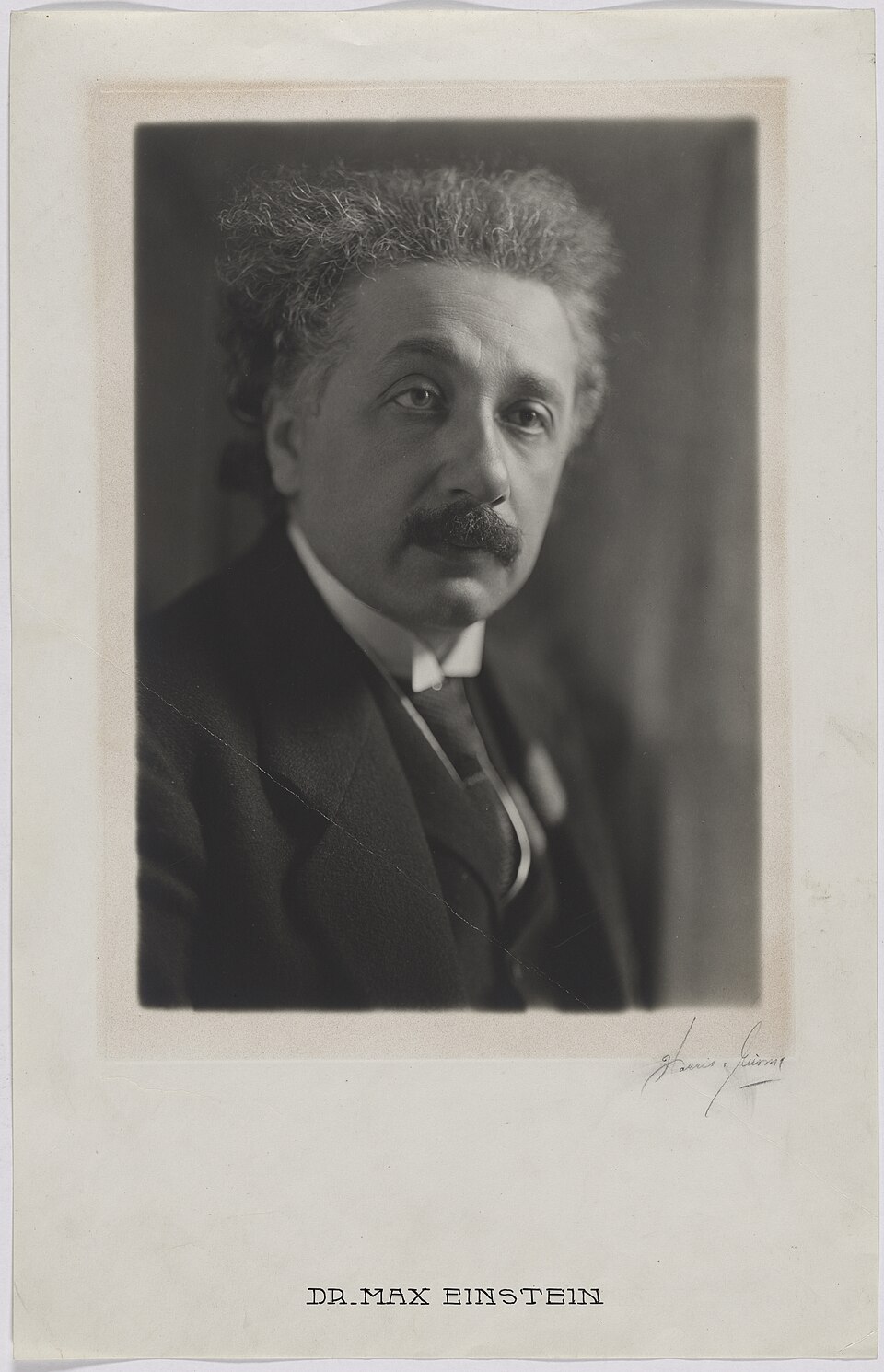
HISTORY / 1879–1955 · 36+
Albert Einstein
Public economic planning paired with democratic safeguards and individual rights; criticism of unchecked bureaucracy.
- EconomyRedistribution ← 0 / 100 → Free market
- 15
- WorkCollective protection ← 0 / 100 → Flexibility
- 25
- Civil libertiesIndividual autonomy ← 0 / 100 → Public order
- 15
- Social changeTransformation ← 0 / 100 → Continuity
- 25
Why this position?
- Economy: Public ownership and planning, constrained by democratic rights. [1]
- Work: Criticizes insecurity and unequal bargaining under capitalism. [1]
- Civil liberties: Insists that planning must preserve individual rights. [1]
- Social change: Calls for a structural transformation of economic institutions. [1]
- Why Socialism? (1949) · 1879–1955
Portraits are cropped; no endorsement. Source and license: Albert Einstein 1921.jpg · Harris & Ewing / Smithsonian · CC0.

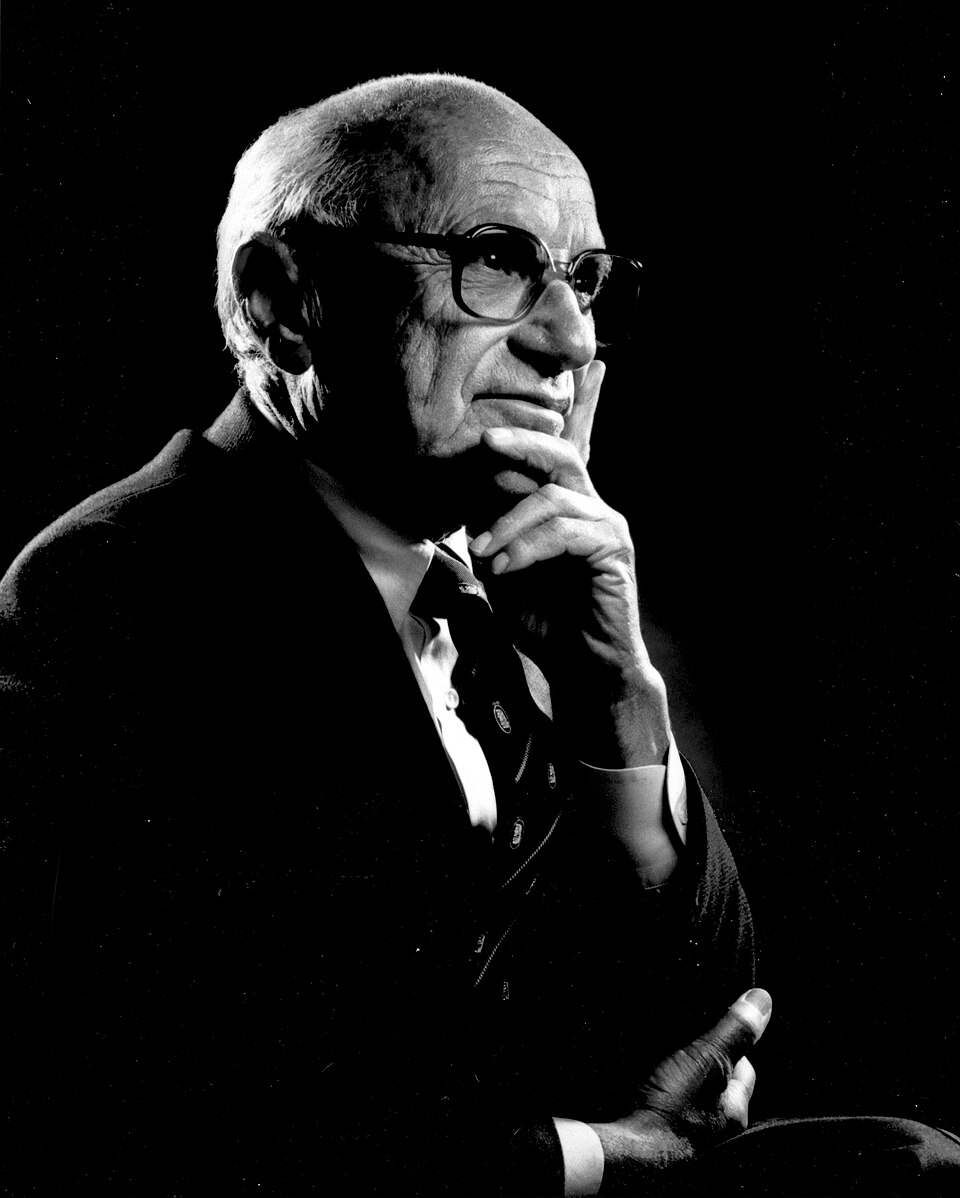
HISTORY / 1912–2006 · 36+
Milton Friedman
Competitive markets, contractual choice and dispersed power as a framework for economic and political freedom.
- EconomyRedistribution ← 0 / 100 → Free market
- 90
- WorkCollective protection ← 0 / 100 → Flexibility
- 90
- Civil libertiesIndividual autonomy ← 0 / 100 → Public order
- 20
- Social changeTransformation ← 0 / 100 → Continuity
- 45
Why this position?
- Economy: Competitive markets and a limited economic role for government. [1]
- Work: Prefers voluntary contracts to compulsory labor arrangements. [2]
- Civil liberties: Links economic choice to civil and political freedom. [1]
- Social change: Supports freedom of personal choice while emphasizing stable rules: a mixed estimate. [3]
- Capitalism and Freedom: publisher description and contents · 1962; edition 2020
- Free to Choose: Who Protects the Worker? · 1980
- The Role of Government in a Free Society: recording and program notes · Archived recording; checked 2026-10-30
Portraits are cropped; no endorsement. Source and license: Milton Friedman.jpg · Friedman Foundation / Berganus · CC0.

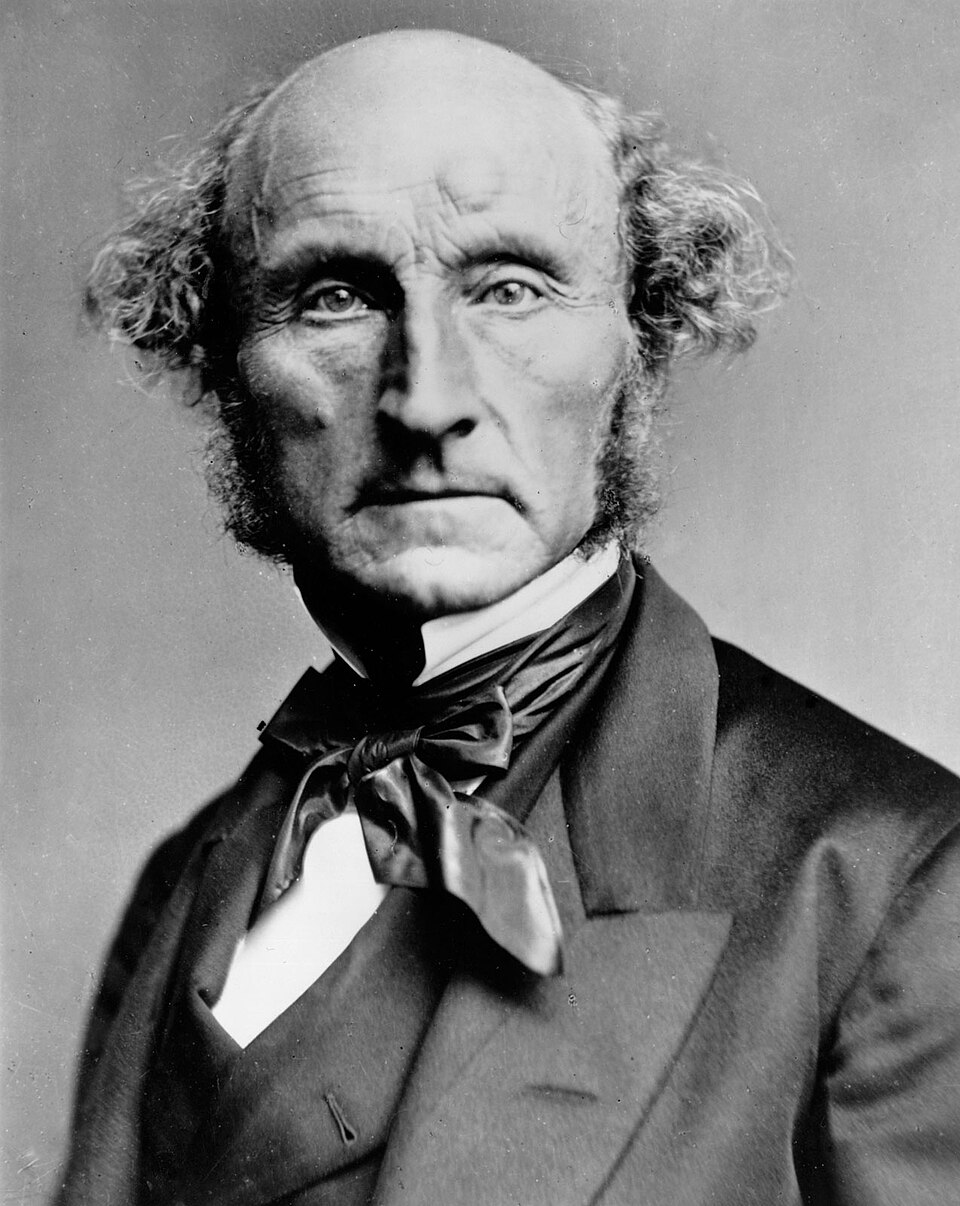
HISTORY / 1806–1873 · 36+
John Stuart Mill
Individual liberty and experimentation, representative institutions, local participation and room for worker cooperation.
- EconomyRedistribution ← 0 / 100 → Free market
- 60
- WorkCollective protection ← 0 / 100 → Flexibility
- 45
- Civil libertiesIndividual autonomy ← 0 / 100 → Public order
- 5
- Social changeTransformation ← 0 / 100 → Continuity
- 20
Why this position?
- Economy: Accepts markets but also redistribution and worker cooperation. [3]
- Work: Considers voluntary worker cooperatives alongside private enterprise. [3]
- Civil liberties: The harm principle limits coercion over individual conduct. [1]
- Social change: Defends experiments in living against compulsory custom. [1]
- On Liberty (1859); Representative Government (1861) · 1806–1873
- Considerations on Representative Government (1861) · 1806–1873
- Principles of Political Economy (Laughlin abridgment, 1885) · 1806–1873
Portraits are cropped; no endorsement. Source and license: John Stuart Mill by London Stereoscopic Company, c1870.jpg · London Stereoscopic Company · Public domain.

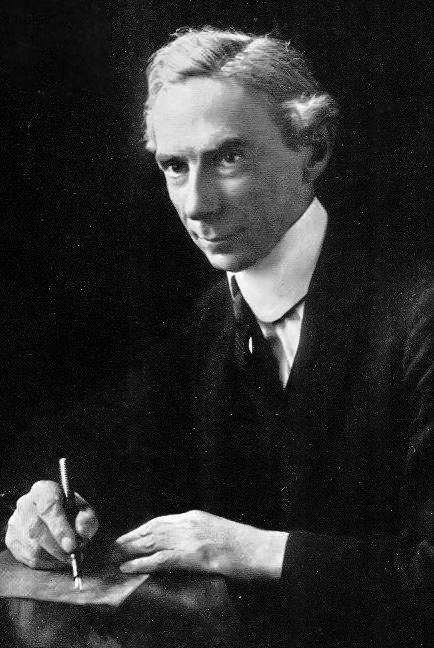
HISTORY / 1872–1970 · 36+
Bertrand Russell
Economic reform, creative freedom, worker self-government and checks on centralized power.
- EconomyRedistribution ← 0 / 100 → Free market
- 20
- WorkCollective protection ← 0 / 100 → Flexibility
- 20
- Civil libertiesIndividual autonomy ← 0 / 100 → Public order
- 10
- Social changeTransformation ← 0 / 100 → Continuity
- 15
Why this position?
- Economy: Calls for economic reform and broader access to resources. [1]
- Work: Supports worker self-government and control over working life. [1]
- Civil liberties: Defends creative freedom against coercive institutions. [1]
- Social change: Argues for changing institutions to foster individual development. [1]
- Political Ideals (1917) · 1872–1970
Portraits are cropped; no endorsement. Source and license: Russell in 1916.jpg · Unknown photographer (1916) · Public domain.

Independent project & questionnaire provenance
12 eixos is an independent, AI-assisted editorial project, unaffiliated with 12axes, 8values, public figures, governments or political parties. The 240 statements and the Portuguese, English and Spanish versions were written for this project; they are not copied from the original 12axes or 8values questionnaires. No external questionnaire license is claimed. The axis definitions and scoring code are documented here. Public-figure texts inform only the separate reference profiles, not the source of our questionnaire. AI assistance is not expert or native-speaker validation.
This is a self-reflection and discussion tool, not a scientific assessment, voting recommendation or prediction of behavior. Similarity concerns four selected dimensions of published ideas, not a person’s entire ideology or identity. The figures did not take this test and do not endorse the project. Historical contexts and conflicting positions cannot be fully represented by one number. Photos are authentic sourced portraits, cropped for display; their inclusion does not imply endorsement. Sharing reveals political preferences and happens only when you choose it.